How to Use a Gunna Type Beat in 2026 for Smooth, Guitar-Led Trap Tracks
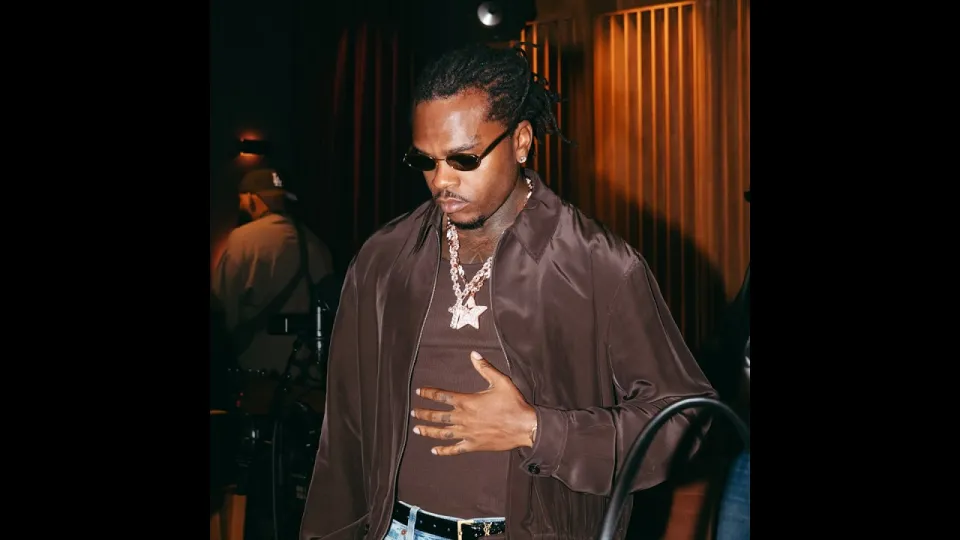
Video: [FREE] Gunna Type Beat - "Professional"
Want articles like this for your own video to promote it on YouTube and Google? Order them through the Telegram bot @sat_sit_bot. It writes articles around your video, embeds the video and publishes them on popular niche websites (no ads). Try it free: 50 articles on us.
· based on the channel MIG
Key takeaways
- "Professional" by MIG runs at 122 BPM in the key of F# minor.
- The free download is licensed for non-profit use only and cannot be uploaded to Spotify or Apple Music.
- An untagged license is available through the producer's BeatStars page, with a discount when three beats are added to the cart.
- The beat leans on a dark guitar or orchestral melody, crisp drums and fast hi-hat rolls.
- MIG distributes the beat under the handle @prod_mig and takes licensing requests by email at migbeats.prod@gmail.com.
A type beat is an instrumental built to match the sound of a specific artist, so rappers and singers can write and record over a familiar style without clearing a sample or paying for a major-label placement. In the Gunna type beat lane, that means melodic, guitar- or piano-driven trap with a mid-tempo bounce, clean low end and a lot of space for a laid-back, half-sung flow. MIG's "Professional" is a current example: 122 BPM in F# minor, free for non-profit use, with an untagged license available at the BeatStars checkout page for "Professional".
What defines a Gunna type beat in 2026
The core of the style is a warm, melancholic melody loop — often a clean or lightly distorted guitar, sometimes strings or a soft synth — sitting on top of sparse, punchy trap drums. Gunna's catalog with Young Thug and his solo projects pushed this sound toward slower, more atmospheric records, and producers now build beats around that mood rather than around hard-hitting 808 aggression.
Typical markers of the style:
- Tempo between roughly 115 and 130 BPM, slow enough for triplet flows and double-time pockets.
- A minor key, frequently with a guitar or orchestral sample as the lead element.
- Crisp, tight drums with rolling hi-hats and a sub-heavy but uncluttered 808 line.
- Long melodic sections with few switch-ups, so the vocal stays the focus.
"Professional" follows that template at 122 BPM in F# minor, which puts it in the pocket where a rapper can switch between relaxed melodic runs and faster triplet bursts without the beat fighting back.
How to write and record over the "Professional" beat
Start by mapping the beat's structure before you write a single bar, because a Gunna-style instrumental usually gives you clear eight-bar loops with small drops rather than big arrangement changes. Load the untagged file, set your DAW tempo to 122 BPM, and count where the drums enter, where the melody thins out, and where the hook should land.
A workable process:
- Loop the first eight bars and hum melodies until one sticks; the F# minor key means the root, third and fifth give you safe landing notes.
- Write the hook first — in this style the chorus is the melodic anchor and the verses are built to lead into it.
- Keep verses sparse: short phrases, ad-libs in the gaps, and let the hi-hat rolls carry the rhythm instead of over-rapping.
- Record a rough take at low volume to check the pocket, then track properly with the untagged version so no producer tag sits under your vocal.
- Leave headroom on the master; the beat already has a strong low end, so a gentle high-pass on the vocal and light compression will keep it clear.
Because the melody is dark and repetitive, the strongest performances tend to be the ones that vary delivery rather than adding more words.
Tempo, key and the technical details that matter
122 BPM in F# minor is a practical choice for melodic trap: it is fast enough for double-time hi-hat patterns and slow enough that a triplet flow feels unhurried. Producers who want to reuse the beat in a different context can pitch it a semitone or two and still keep the guitar tone intact, though the 808s will need retuning if you go far.
If you plan to build a project, note that the beat's key sits well next to other F# minor and C# minor instrumentals, which makes sequencing an EP easier. The producer's contact details — @prod_mig on social platforms and migbeats.prod@gmail.com for licensing questions — are the fastest route if you need stems, a split sheet, or a custom arrangement at a different tempo.
Licensing: what the free download covers and what it does not
The free version of "Professional" is licensed for non-profit purposes only. That means you can write, record, perform and share the track in informal settings, but you cannot monetize it, and the free file cannot be distributed through streaming services such as Spotify or Apple Music. The producer tag also stays in the free file.
For anything commercial — a paid release, a streaming upload, a video with ads — you need the untagged license from the BeatStars page, where adding three beats to the cart activates a discount. Before you release, confirm the terms in writing, keep the receipt, and check whether the license covers the distribution volume you expect; exclusive and non-exclusive tiers differ in what they allow. Using an untagged beat without a license is the most common way independent artists get their uploads taken down.
Common questions producers and artists raise about this beat
The feedback around this kind of instrumental tends to cluster around a few practical points. Listeners single out the hi-hat rolls and the crispness of the drums, which tells you the percussion is doing heavy lifting — if your vocal is muddy, the problem is usually the mix, not the beat. Others pick up on the darkness of the melody and the orchestral color, which suggests a slower, more atmospheric vocal rather than shouting.
Two recurring doubts are worth addressing directly. First, whether a beat this melodic leaves room for a rapper: it does, because the arrangement is deliberately sparse and the midrange is open. Second, whether the free tag is a dealbreaker for a demo: it is fine for writing and rough mixes, but any public release should use the licensed untagged file. If a track built on the beat starts to gain traction, sort the license before you push it further.
All links from the video
- Untagged license for "Professional" (add three beats to the cart for the discount): https://bsta.rs/lKzH8q
- Producer contact for licensing and custom work: migbeats.prod@gmail.com and @prod_mig on social platforms
Final thoughts on picking a Gunna type beat
A type beat only works if it leaves space for your voice, and "Professional" is built for exactly that: 122 BPM, F# minor, a dark guitar-led melody and drums that stay crisp without crowding the midrange. Treat the free download as a writing tool, then move to the untagged license at the "Professional" BeatStars page before anything goes public. The breakdown and the instrumental come from the channel MIG, whose catalog is worth following if this melodic, guitar-driven trap sound is your lane. Match the beat to your register, write the hook first, and keep the verses lean.
Source: [FREE] Gunna Type Beat - "Professional" · Markdown version
Questions & answers
Is the free version of this Gunna type beat really free to use?
Yes, but only for non-profit purposes. You can write, record and share tracks informally, but you cannot monetize them or upload them to streaming platforms such as Spotify or Apple Music. Commercial use requires the untagged license.
What tempo and key is "Professional" in?
The beat runs at 122 BPM in F# minor. That tempo supports both relaxed melodic flows and double-time triplet patterns, and the minor key gives the melody its dark character.
Can I release a song on Spotify using the free download?
No. The free file is not cleared for streaming services, and it also contains the producer tag. For a distribution-ready release you need the untagged license from the BeatStars page and should keep the receipt on file.
How do I get a discount on the untagged beat?
Add three beats to the cart on the producer's BeatStars page to activate the discount. If you need stems, a different tempo or an exclusive arrangement, contact the producer directly by email or through @prod_mig.